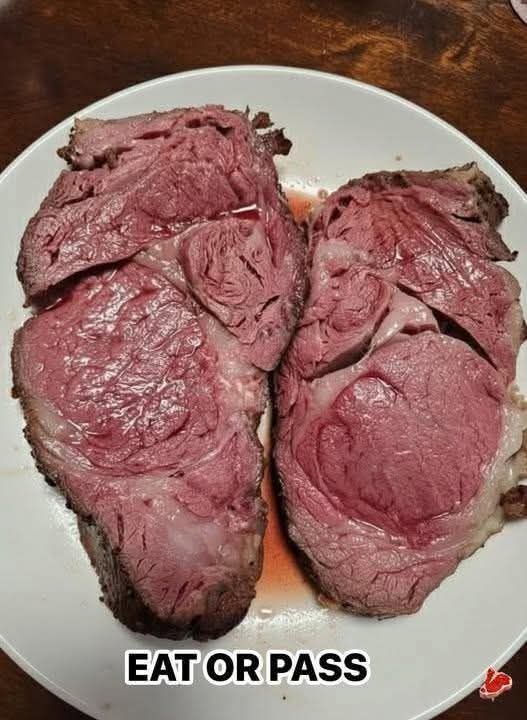
Master the Art of Cooking Perfect Prime Rib Every Time
If you’ve ever dreamed of serving a restaurant-quality prime rib that’s tender, juicy, and perfectly cooked from edge to center, you’re in the right place. This ultimate guide will walk you through everything you need to know to master prime rib, even if it’s your first time. From choosing the right cut to seasoning, roasting, resting, and slicing, this long-form guide is designed to rank well and help you cook with confidence.
Prime rib isn’t just a meal—it’s an experience. Often reserved for holidays, celebrations, and special family dinners, a well-cooked prime rib becomes the centerpiece that everyone remembers.
What Is Prime Rib (and Why It’s So Special)?
Prime rib, also known as a standing rib roast, comes from the rib section of the cow. Despite the name, “prime” doesn’t always mean USDA Prime grade—though that’s a bonus if you can find it. What truly makes prime rib special is:
Rich marbling that melts during cooking
Exceptional tenderness
Deep, beefy flavor
Impressive presentation
When cooked properly, prime rib is buttery soft, juicy, and full of flavor—no steak knife required.
Choosing the Best Prime Rib Roast
Bone-In vs Boneless
Bone-in: More flavor, juicier, classic presentation
Boneless: Easier to carve, cooks slightly faster
👉 For the best results and flavor, bone-in is recommended.
How Much Prime Rib Per Person?
Bone-in: 1 pound per person
Boneless: ¾ pound per person
This allows for generous servings and leftovers (which are amazing).
Ingredients for Perfect Prime Rib
Keep it simple—prime rib doesn’t need much to shine.
You’ll need:
Prime rib roast (bone-in or boneless)
Kosher salt
Freshly ground black pepper
Garlic (fresh or powder)
Fresh rosemary and thyme (optional but recommended)
Olive oil or softened butter
The Secret to Flavor: Dry Brining
For best results, season the roast generously with salt at least 12–24 hours ahead and leave it uncovered in the refrigerator.
Why this works:
Salt penetrates deep into the meat
Moisture redistributes evenly
Results in a flavorful interior and crispy crust
This single step alone can elevate your prime rib from good to unforgettable.
Step-by-Step: How to Cook Prime Rib Perfectly
- Bring It to Room Temperature
Remove the roast from the fridge 2–3 hours before cooking. This ensures even cooking from edge to center. - Season Generously
Rub the roast with olive oil or butter, then coat with:
Salt
Pepper
Garlic
Herbs
Don’t be shy—this is a large cut of meat. - High-Heat Start (The Crust Method)
Preheat oven to 450°F (230°C)
Roast uncovered for 20 minutes
This creates a deep, flavorful crust. - Low and Slow Finish
Lower oven temperature to 325°F (165°C) and continue roasting until desired doneness.
Internal Temperature Guide (remove 5–10°F early):
Rare: 120°F (49°C)
Medium-rare: 130°F (54°C)
Medium: 140°F (60°C)
👉 Medium-rare is widely considered the perfect doneness for prime rib. - REST (Do Not Skip!)
Tent loosely with foil and rest for 20–30 minutes.
Resting allows juices to redistribute, giving you juicy slices instead of dry meat.
How to Slice Prime Rib Like a Pro
Remove bones first (save them!)
Slice against the grain
Cut thick or thin depending on preference
Serve with the natural juices or a simple au jus.
Best Side Dishes for Prime Rib
Prime rib pairs beautifully with classic sides:
Garlic mashed potatoes
Roasted vegetables
Creamed spinach
Yorkshire pudding
Horseradish sauce
These sides balance the richness and complete the meal.
Common Prime Rib Mistakes to Avoid
❌ Cooking straight from the fridge
❌ Skipping a thermometer
❌ Over-seasoning with complex marinades
❌ Cutting immediately after roasting
Avoid these, and you’re already ahead of most home cooks.
Storing and Reheating Leftover Prime Rib
Store tightly wrapped in the fridge for up to 4 days
Reheat gently at low temperature (250°F / 120°C)
Or enjoy cold in sandwiches—delicious!
Final Thoughts: Prime Rib Success Every Time
Cooking perfect prime rib isn’t about luck—it’s about technique, timing, and simplicity. When you respect the meat, use proper temperatures, and allow it to rest, the results are consistently incredible.
Whether it’s for a holiday feast or a special Sunday dinner, this guide ensures your prime rib will be: ✔ Juicy
✔ Tender
✔ Flavor-packed
✔ Perfectly cooked
Save this guide—you’ll come back to it every time you want to impress. 🥩✨
If you’d like, I can also:
Rewrite this in Facebook viral style
Optimize it further for SEO keywords
Turn it into a printable recipe card
Just tell me!