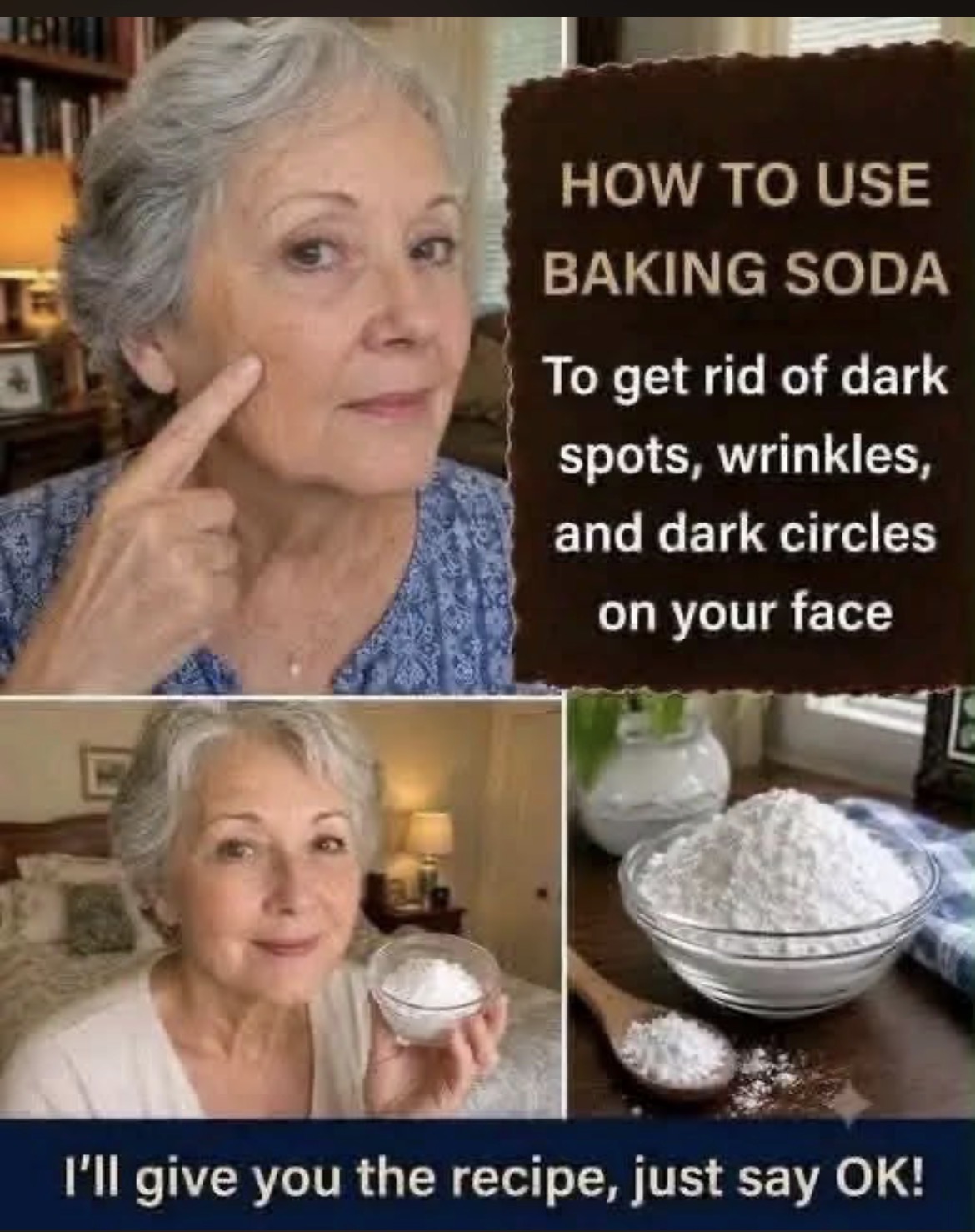
· Strips Your Skin: Baking soda is highly alkaline (pH ~9), which disrupts your skin’s natural acid mantle, leaving it dry, irritated, and vulnerable to bacteria.
· No Anti-Aging Effect: While it can exfoliate dead cells, this does not remove wrinkles. In fact, this harsh abrasion breaks down the skin’s protective barrier.
· Increases Sensitivity: Forcing your skin to neutralize the high pH can lead to redness, burning, and increased sensitivity—especially if you have dry or sensitive skin.
· Doesn’t Fade Dark Spots: No scientific evidence supports baking soda as a treatment for hyperpigmentation or dark circles. It may even cause post-inflammatory hyperpigmentation (darkening) in some cases.
· Not a “Natural” Solution: This is a common kitchen ingredient, but it is abrasive and chemically harsh. “Natural” does not mean safe or effective for your skin.
💡 Safer Alternatives Worth Considering
If you’re looking to address these concerns, here are some safer, more effective options:
· For Dark Spots: Products with Vitamin C, Niacinamide, or Alpha Hydroxy Acids (AHAs) are proven to help fade hyperpigmentation.
· For Wrinkles: Ingredients like Retinol, Hyaluronic Acid, and peptides can stimulate collagen and smooth fine lines.
· For Dark Circles: Look for eye creams with Caffeine, Vitamin K, or Niacinamide to address pigmentation and puffiness. In some cases, a dermatologist can provide in-office treatments for the best results.
🛑 What Not to Do
It’s best to avoid putting baking soda on your face altogether. If you’re still curious about this trend or want to see what it’s all about, I can tell you that the “recipe” typically involves mixing it with water or lemon juice to form a paste and applying it as a mask—but this is not something I recommend trying.